SEOApril 6, 2026
Harnessing AI for Future-Proof SEO: Navigating the Changes
Discover how AI is reshaping SEO strategies for the future, ensuring adaptability and efficiency in the digital landscape.

Understanding AI's Impact on SEO
Artificial Intelligence (AI) is revolutionizing the way we approach search engine optimization (SEO). As search engines become more sophisticated, their algorithms are increasingly relying on AI to deliver more accurate and relevant search results. This shift is reshaping the SEO landscape, requiring marketers to adapt their strategies to keep up with these technological advancements.
The integration of AI into search engines means that traditional SEO tactics, such as keyword stuffing, are becoming obsolete. Instead, the focus is shifting towards user experience, content quality, and engagement metrics. AI algorithms are capable of understanding context and semantics, which allows them to evaluate content based on its relevance and value to users. As a result, SEO professionals must prioritize creating high-quality, informative content that meets the needs of their audience.
Moreover, AI is enhancing personalization in search results. By analyzing user behavior and preferences, AI can deliver tailored content that matches individual search intent. This development underscores the importance of understanding your target audience and crafting content that resonates with them. The rise of AI in SEO is a call to action for marketers to refine their approach and embrace new strategies that align with these technological changes.
The Role of Machine Learning in SEO Adaptation
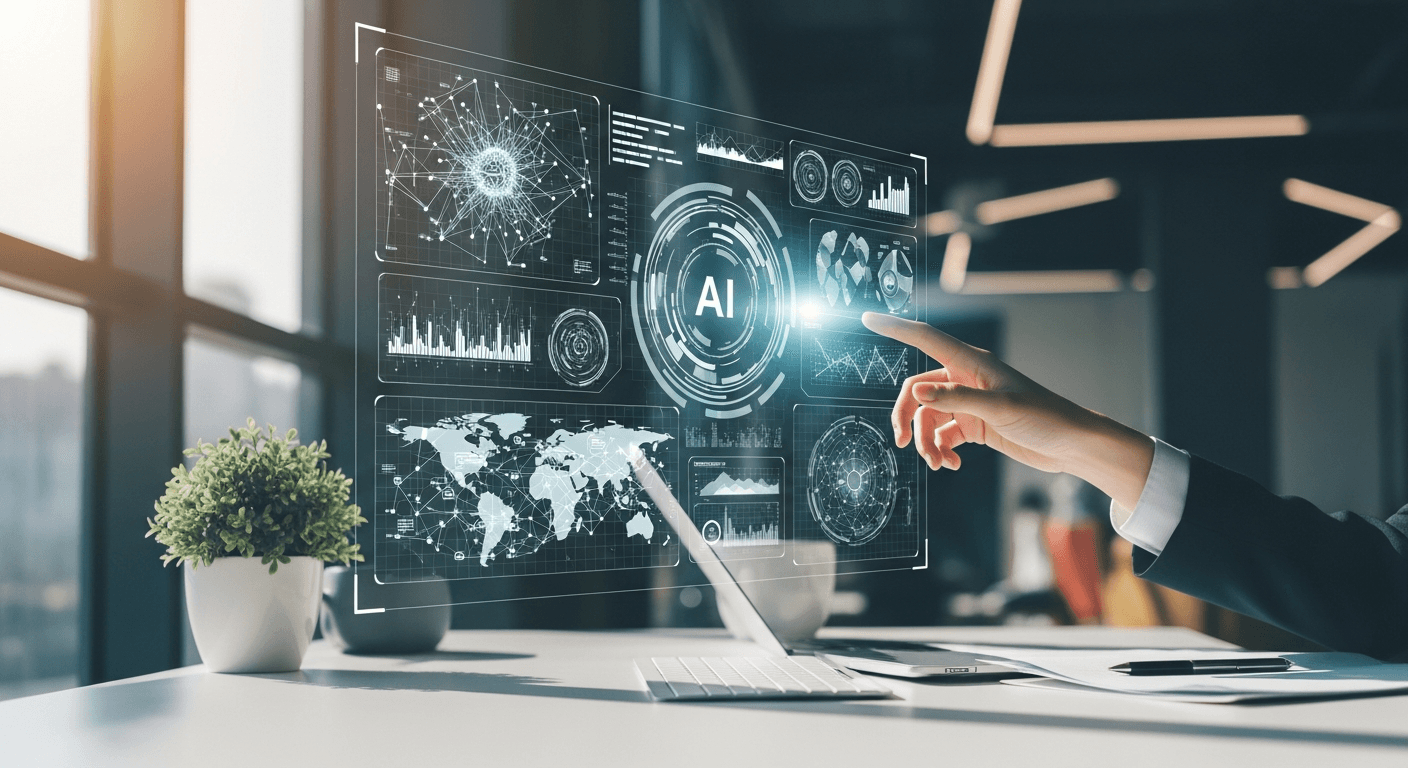
Machine learning, a subset of AI, plays a crucial role in the evolution of SEO. It involves training algorithms to recognize patterns and make decisions with minimal human intervention. In the context of SEO, machine learning algorithms can analyze vast amounts of data to identify trends and predict outcomes. This capability enables search engines to deliver more precise and personalized search results.
SEO professionals can harness machine learning to enhance their strategies. By analyzing user data, they can gain insights into search trends, user behavior, and content performance. This information can be used to optimize websites and content for better visibility and engagement. Machine learning also facilitates predictive analysis, allowing marketers to anticipate changes in search algorithms and adapt their strategies accordingly.
One of the key benefits of machine learning in SEO is its ability to automate routine tasks. This automation frees up time for marketers to focus on strategic planning and creative content creation. Additionally, machine learning tools can provide real-time feedback on SEO performance, enabling marketers to make data-driven decisions and continuously improve their strategies.
Implementing AI-Driven SEO Tools
The integration of AI-driven tools into SEO strategies is becoming increasingly important. These tools leverage artificial intelligence to provide actionable insights and streamline optimization efforts. From content analysis to keyword research, AI-driven tools offer a range of functionalities that can enhance SEO performance.
- AI-powered keyword research tools
- Content optimization platforms
- Automated reporting and analytics tools
AI-powered keyword research tools analyze vast amounts of data to identify high-impact keywords and phrases. These tools can predict keyword trends and suggest relevant terms that align with search intent. Content optimization platforms use AI to assess content quality and provide recommendations for improvement. By analyzing factors such as readability, engagement, and relevance, these platforms help marketers create content that resonates with their audience.
Automated reporting and analytics tools leverage AI to generate insights into SEO performance. These tools can track key metrics, identify areas for improvement, and provide real-time feedback. By utilizing AI-driven tools, marketers can streamline their SEO efforts and make data-driven decisions that enhance their strategies.
Tip: Leverage AI-driven tools to automate routine SEO tasks, freeing up time for strategic planning and content creation.
Overcoming Challenges in AI-SEO Integration
While AI offers numerous benefits for SEO, integrating these technologies into existing strategies can present challenges. One of the primary obstacles is the learning curve associated with new tools and technologies. SEO professionals must invest time in understanding how AI algorithms work and how to effectively leverage them in their strategies.
Data privacy concerns also pose a challenge in AI-SEO integration. As AI tools collect and analyze user data, it is essential to ensure compliance with data protection regulations. Marketers must be transparent about data usage and implement measures to safeguard user information. Additionally, the reliance on data-driven strategies can lead to a focus on metrics at the expense of creativity and innovation.
To overcome these challenges, SEO professionals should prioritize continuous learning and adaptation. Keeping abreast of the latest AI advancements and industry trends is crucial for success. Collaboration with AI experts and technology providers can also facilitate a smoother integration process. By embracing a flexible approach and being open to experimentation, marketers can effectively navigate the complexities of AI-SEO integration.
Predicting the Future: AI and SEO Trends
As AI technology continues to evolve, it is poised to further transform the SEO landscape. One of the emerging trends is the increasing use of voice search. With the proliferation of voice-activated devices, optimizing for voice search is becoming a priority for marketers. AI-driven algorithms are essential for understanding natural language and delivering accurate voice search results.
Visual search is another trend gaining traction. AI algorithms can analyze images and videos, enabling search engines to deliver results based on visual content. This development highlights the importance of optimizing visual assets for search and incorporating multimedia elements into content strategies. Additionally, the rise of AI-generated content is likely to impact SEO practices. Marketers must balance automation with authenticity to maintain content quality and engage their audience.
In conclusion, AI is reshaping the future of SEO, offering new opportunities and challenges. By understanding AI's impact and leveraging AI-driven tools, marketers can enhance their strategies and stay ahead of the competition. Embracing innovation and continuous learning will be key to thriving in the dynamic SEO landscape of the future.
The future of SEO is not about chasing algorithms, but about understanding them and creating value-driven content.